
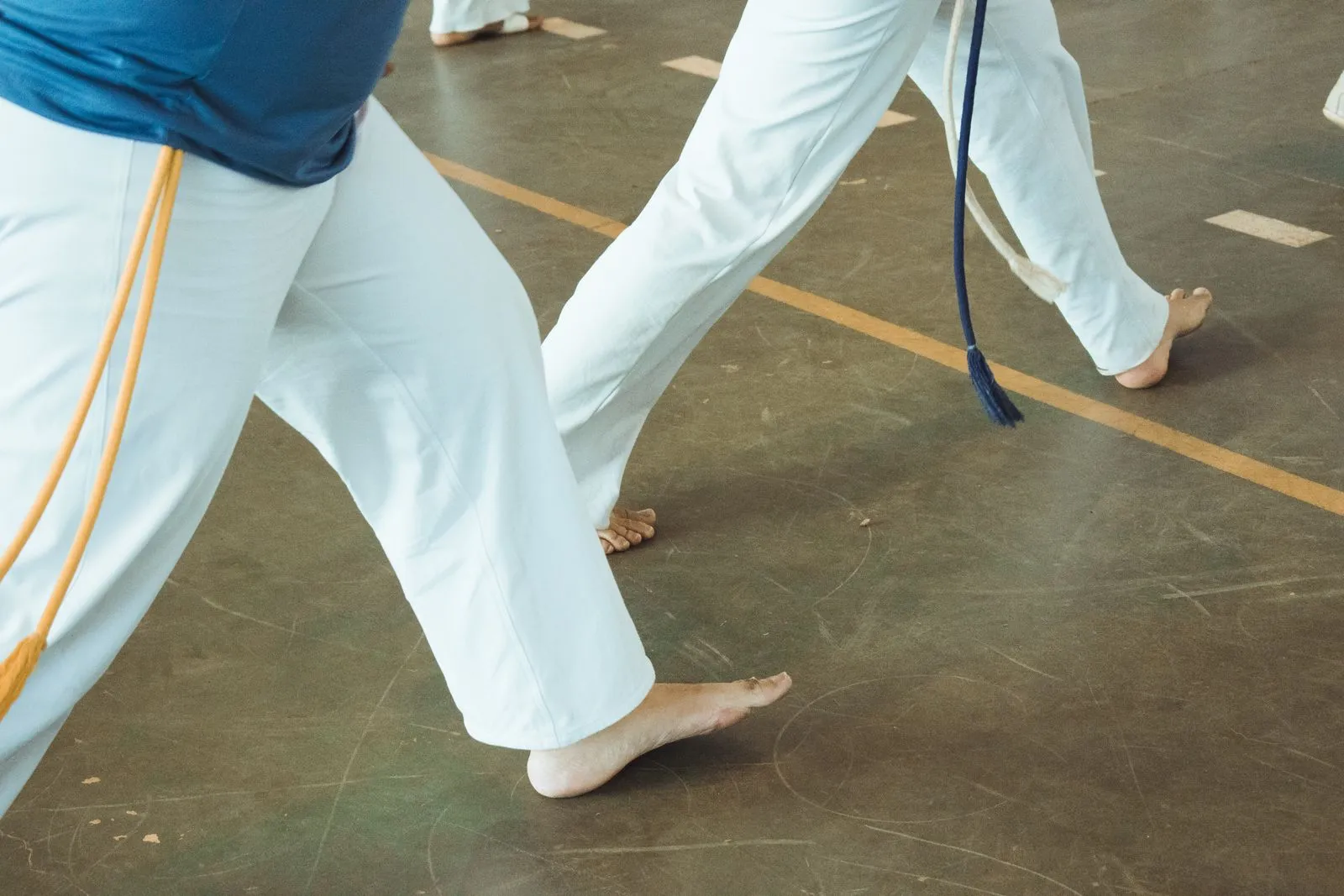
Your first capoeira class is a chance to move, listen, and learn—not to arrive with every step memorized. A class often combines a warm-up, movement practice, music, and time in the roda, the circle where people play capoeira. Instructors usually introduce skills gradually and offer options for different experience levels. Knowing the basic flow, what you might practice, and how to dress can help you arrive feeling more comfortable and ready to participate.
How a Class Usually Flows
Many classes begin with a warm-up to prepare your joints and muscles for movement. You may jog lightly, stretch, practice balance, or repeat simple steps. The instructor might then demonstrate a movement and break it into smaller parts before the group practices. Follow at a pace that feels manageable, and ask for a modification if a movement causes pain or feels unsafe.
After movement practice, a class may include partner drills and time in the roda. The roda is a circle formed by participants, with players taking turns moving inside while others provide music and rhythm. Beginners may first watch, clap, or practice a simple exchange with an instructor. Class formats vary, so your teacher can explain when to join and what to do.
Basic Movements to Expect
A foundational movement is the ginga, a continuous rocking step that helps you stay mobile and respond to a partner. You may also learn basic kicks, dodges, and ways to lower your body or shift your weight. At first, focus on balance, control, and awareness rather than speed or height. The goal is to understand how movements connect, not to make them look perfect right away.
Capoeira is practiced with another person, so instructors may teach you to maintain space, watch your partner, and avoid making contact. Move with control and keep your attention on the other person’s position. If you are unsure how close to stand or how quickly to move, slow down and ask the instructor. You can take breaks as needed, especially while learning unfamiliar movements.
Music and the Roda
Music is part of capoeira, not just background for the movement. A class may introduce instruments such as the berimbau, pandeiro, or atabaque, along with songs and clapping. You do not need to know the rhythms or words before you arrive. Listen to the instructor, join in when invited, and follow the group’s lead.
The music helps set the pace and energy of the roda. Participants often clap and sing while two people play inside the circle. Your first experience might be to observe the roda before taking a turn. Watch how players enter and leave, how they communicate through movement, and how the instructor signals changes. Each school has its own customs, so follow the guidance given in class.
What to Wear and Bring
Choose comfortable workout clothes that let you squat, stretch, and move freely. Lightweight pants or leggings and a fitted shirt are practical; avoid clothing that may slip, drag, or restrict your movement. Many capoeira classes are done barefoot, but check with the school in advance in case its floor or class rules call for something different. Tie back long hair and remove jewelry that could catch or scratch.
Bring water and arrive with enough time to check in and ask about the class format. A small towel can be useful, and you may want a change of clothes if you expect to sweat. Tell the instructor about injuries, mobility concerns, or movement restrictions before class begins. You do not need to buy specialized equipment for your first visit; ask what the school recommends if you decide to continue.
A first capoeira class is an introduction to movement, music, and learning with others. Wear comfortable clothes, bring water, and let the instructor know what support you need. Focus on listening, moving with control, and trying what feels appropriate for you. Contact Phoenix Capoeira before your visit to confirm class details and what to bring.